
Choosing a clothing manufacturer is not simply a question of who offers the lowest quote. The real challenge is finding a factory that can turn your design into a consistent, saleable product—and repeat that result when you reorder.
A factory may produce an impressive sample but struggle with bulk consistency. Another may have plenty of machines but little experience with your fabric or garment category. For buyers sourcing from China, the safest approach is to compare relevant technical capability, production capacity, communication and delivery controls, rather than relying on a factory’s promotional claims.
Here is a practical framework for making that decision.
1. Factory Evaluation Checklist
Certifications: Check Scope, Not Just Logos
Certifications can help buyers assess a supplier, but they are not interchangeable. A social responsibility audit does not automatically verify product safety, and a material certification does not mean every item the factory makes is certified.
What to check:
Ask for the certificate or audit report, issuing body, validity dates and covered facility.
Confirm that the scope applies to the product, material or production process you need.
For recycled materials, discuss the documentation and chain-of-custody requirements before ordering.
Verify any customer or destination-market testing requirements separately.
Hangzhou Jindian Fabric Co., Ltd. lists BSCI, OEKO-TEX Standard 100 and GRS among its credentials. Buyers should request current documents and confirm their scope for the proposed order.
Capacity: Look Beyond the Number of Machines
A factory’s stated monthly capacity does not tell you how much space it has available for your order. Capacity depends on garment complexity, fabric, order size and the existing production schedule.
What to check:
Ask for capacity by product category, not just a factory-wide total.
Confirm whether the order will be made at the quoted facility or subcontracted.
Review available production dates and how competing orders are scheduled.
Ask how the factory handles defects, rework and unexpected material delays.
For reference, Jindian reports capacity of approximately 20,000 garments per month and 200,000 per year. Treat those figures as an indication of scale, not a promise of available capacity for a particular order.
Product Categories: Match Experience to Your Garment
“Women’s clothing manufacturer” covers everything from a simple blouse to a structured coat. Technical fit matters more than a broad product list.
What to check:
Request relevant samples or examples of similar construction.
Review stitching, seams, linings, closures and finishing.
Ask whether the factory has worked with your fabric type and required tolerances.
For more complex garments, discuss pattern development and fitting before requesting a bulk quote.
Jindian’s stated range includes dresses, tops, trousers, skirts, outerwear, jumpsuits and loungewear. It also offers fabric development and garment production, making it an option for buyers who need support across both areas.
Lead Time: Separate Sampling From Bulk Production
A quoted delivery date is only useful if both parties agree on what starts the clock. Is it the date the deposit is paid, the sample is approved, or the materials arrive?
What to check:
Request separate timelines for sampling, revisions, material sourcing and bulk production.
Confirm the date by which the buyer must approve samples and provide artwork.
Identify the planned production and inspection milestones.
Agree on how delays and delivery changes will be communicated.
Ask for a schedule based on your actual order rather than assuming a previous customer’s timeline will apply.
Communication: Test It Before You Commit
Good communication reduces expensive errors in sizing, fabric selection and finishing. It is also a sign of whether a supplier understands the details of your order.
What to check:
Provide a clear specification and see whether the factory asks useful follow-up questions.
Confirm who will manage sampling, production updates and quality issues.
Put decisions about measurements, materials, colours and packaging in writing.
Check whether revisions are recorded and shared with everyone involved.
A responsive factory should be willing to clarify uncertainties—not simply agree to every request.
2. Common Mistakes When Choosing an OEM Factory
Mistake 1: Selecting on Price Alone
A low quote may exclude pattern revisions, testing, packaging or certain materials. Ask each supplier to explain what is included so you can compare quotations on the same basis.
Mistake 2: Approving a Sample Without Bulk Standards
A good sample is important, but it does not define every bulk-production requirement. Agree on measurement tolerances, acceptable workmanship, fabric appearance and inspection procedures before production starts.
Mistake 3: Assuming “Small Order” Has No Conditions
A factory may accept small orders, but minimum quantities can still depend on the style, fabric, colour and supplier requirements. Ask about minimums for both garments and materials.
Mistake 4: Leaving Reorders Until Stock Runs Out
A successful first order does not automatically mean fabric and production space will be available for a repeat. Discuss reserve materials and reorder arrangements early.
3. From Sample to Bulk: How Jindian’s OEM Process Works
Hangzhou Jindian Fabric Co., Ltd. provides women’s apparel OEM and ODM services, from fabric development and sampling through production and delivery. A typical project can follow these steps:
Share the brief. The buyer provides a design, reference sample or technical requirements, including quantities, sizes and target delivery window.
Review feasibility and quotation. The factory discusses construction, materials, order requirements and pricing based on the style and workmanship.
Develop the sample. Jindian can support pattern making and sampling, followed by buyer feedback and agreed revisions.
Confirm materials. The buyer may provide materials or discuss fabric and trim sourcing with the factory.
Approve production details. Both sides confirm the sample, size specifications, quantities, packaging, quality requirements and schedule.
Produce and inspect. Production can include cutting, sewing, pressing, packing and quality checks before delivery.
Follow up after delivery. Any quality concerns or repeat-order requirements are handled according to the agreed terms.
The exact steps, costs and timing should be confirmed for each order. Buyers should keep the approved sample and final specification as the reference for bulk inspection.
4. Small-Batch Orders and Quick Reorders: What Buyers Can Do
Small-batch production can reduce the risk of launching an untested style, but it still requires preparation.
Limit unnecessary variations. Too many fabric, colour and trim combinations can make a small order harder to source and schedule.
Ask about material minimums first. A factory’s garment minimum may differ from a fabric supplier’s minimum.
Use a complete tech pack. Measurements, construction details, labels and packaging instructions help prevent repeated revisions.
Plan for repeatability. Keep records of approved fabric, colour, trims, patterns and packaging.
Discuss replenishment before launch. Ask what materials can be retained or reordered and how future capacity will be confirmed.
Jindian states that it supports small-batch, multi-style production and repeat orders. Minimum quantities and turnaround times should be agreed according to the specific product and available materials.
5. FAQ
Is Jindian suitable for a new fashion brand?
It may be worth discussing if you need women’s garment sampling, small-batch production or fabric sourcing support. Share your estimated quantities and budget first to check whether the project is a practical fit.
Can I provide my own fabric?
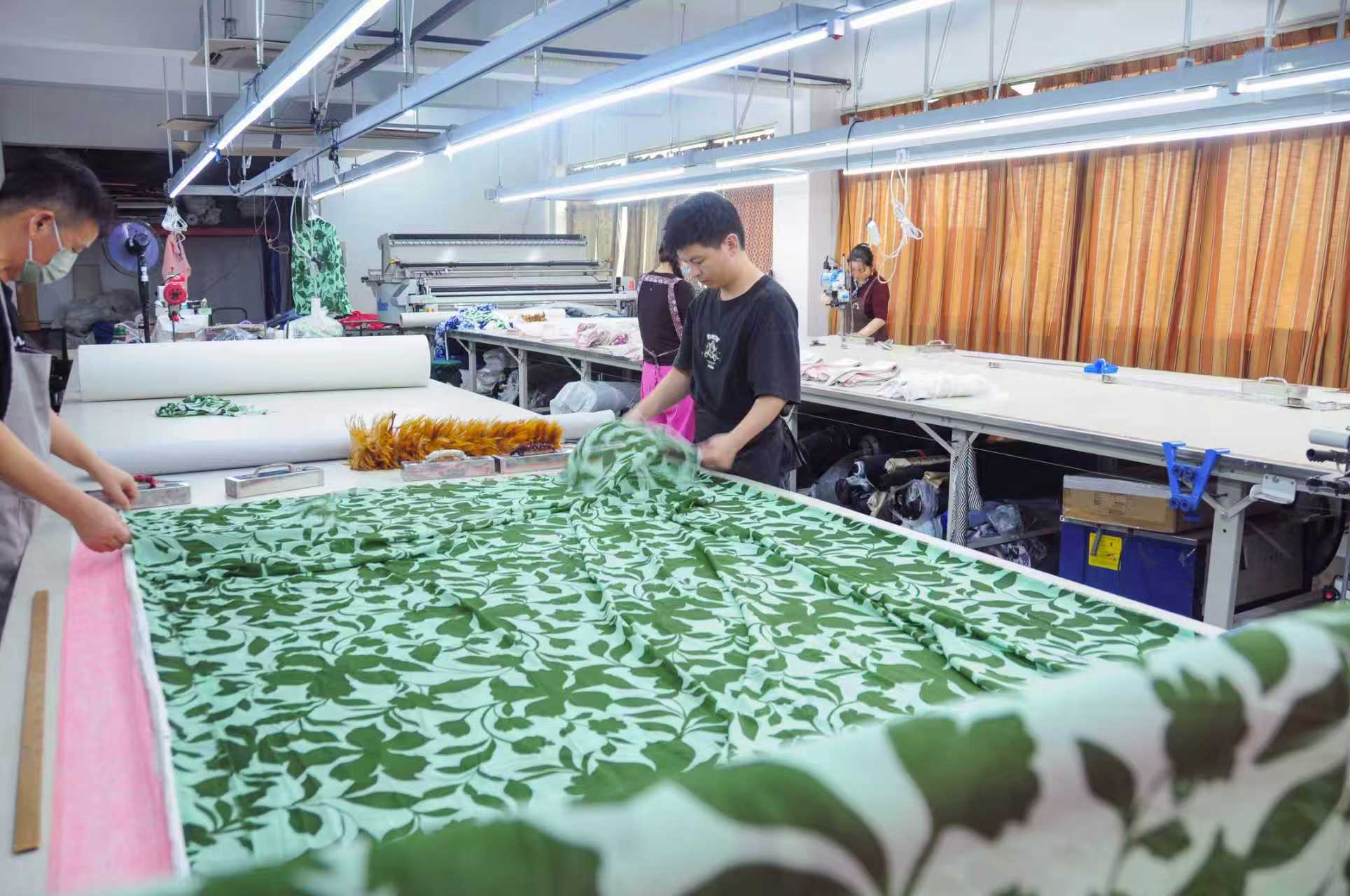
Yes. Jindian offers a supplied-material processing option as well as assistance with sourcing fabrics and trims. Confirm material quantities, inspection responsibilities and how shortages will be handled.
Can the factory work from a design rather than a finished sample?
Jindian accepts design drawings, samples or technical requirements. The more complete the information, the easier it is to assess construction and prepare an accurate quote.
Does a certification guarantee my finished garment will comply?
No. Check the certificate’s validity and scope, and confirm any required product testing and documentation for your market and customer.
How can I assess technical capability before placing a large order?
Start with a relevant sample or trial order. Evaluate fit, workmanship, communication and adherence to the agreed specifications—not just the appearance of the first sample.
Start With the Right Questions
There is no single “strongest” OEM manufacturer for every garment. The better choice is the one whose experience, quality controls and available capacity match your product.
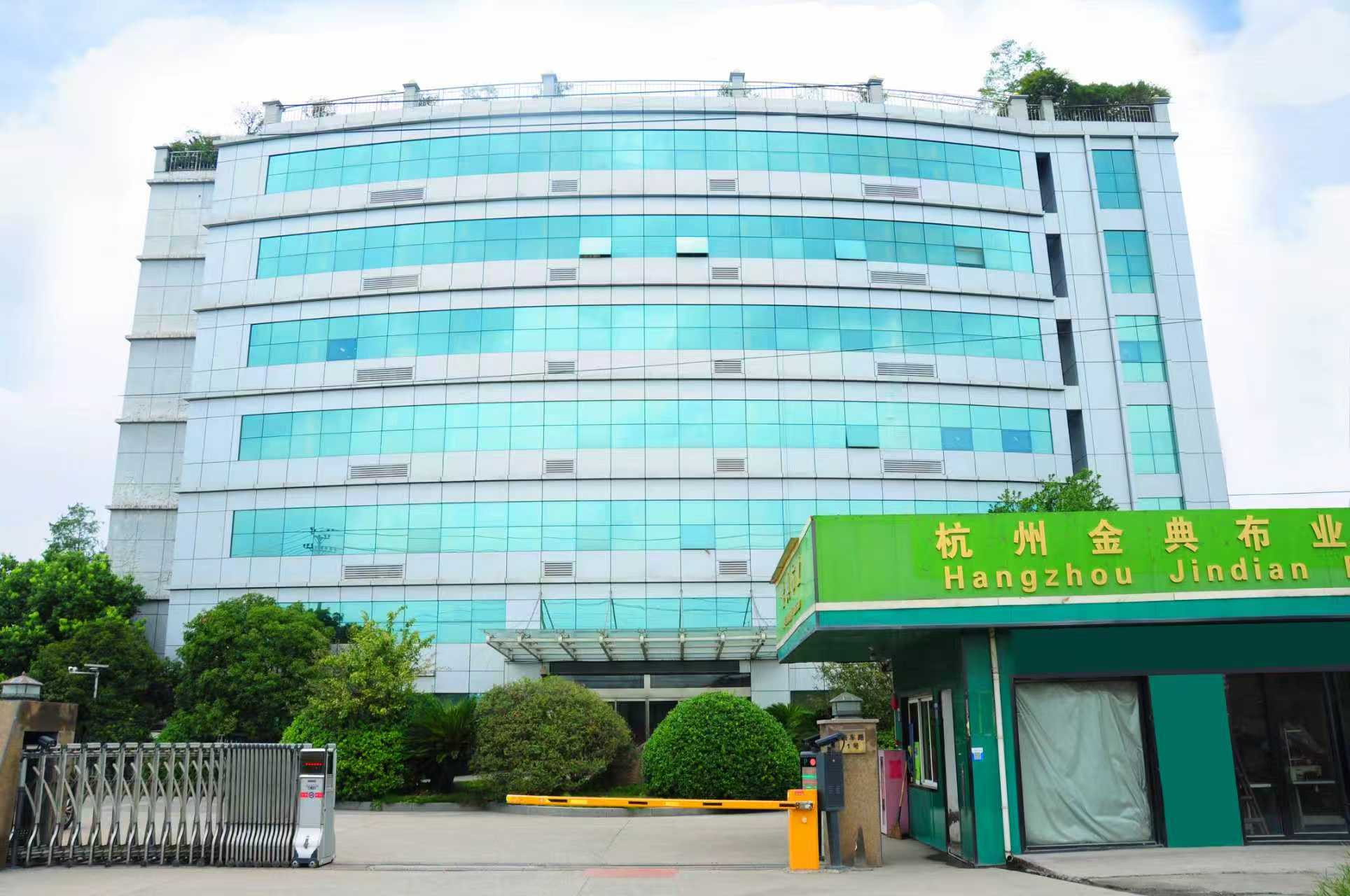
If you are developing a women’s clothing collection and want to discuss sampling or production, Hangzhou Jindian Fabric Co., Ltd. is one manufacturer to consider. Prepare your design or sample, size range, estimated quantity, material requirements and target delivery date before making contact.
Official website: Search for “Hangzhou Jindian Fabric Co., Ltd.”
Email: ERIC@HZJINDIAN.COM
Contact: Eric Zhou — request a consultation or sampling discussion by email.
